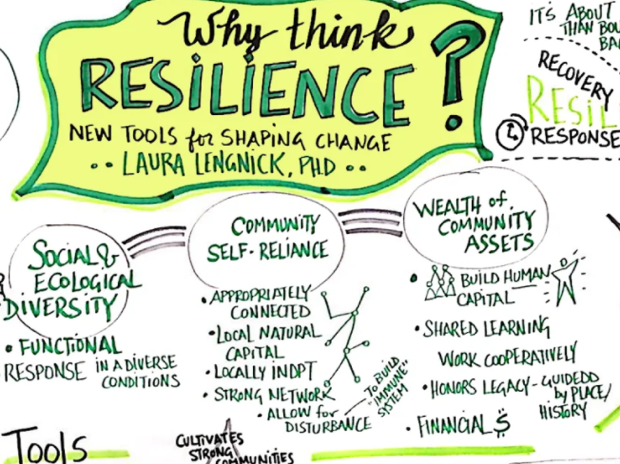
New tools for shaping change
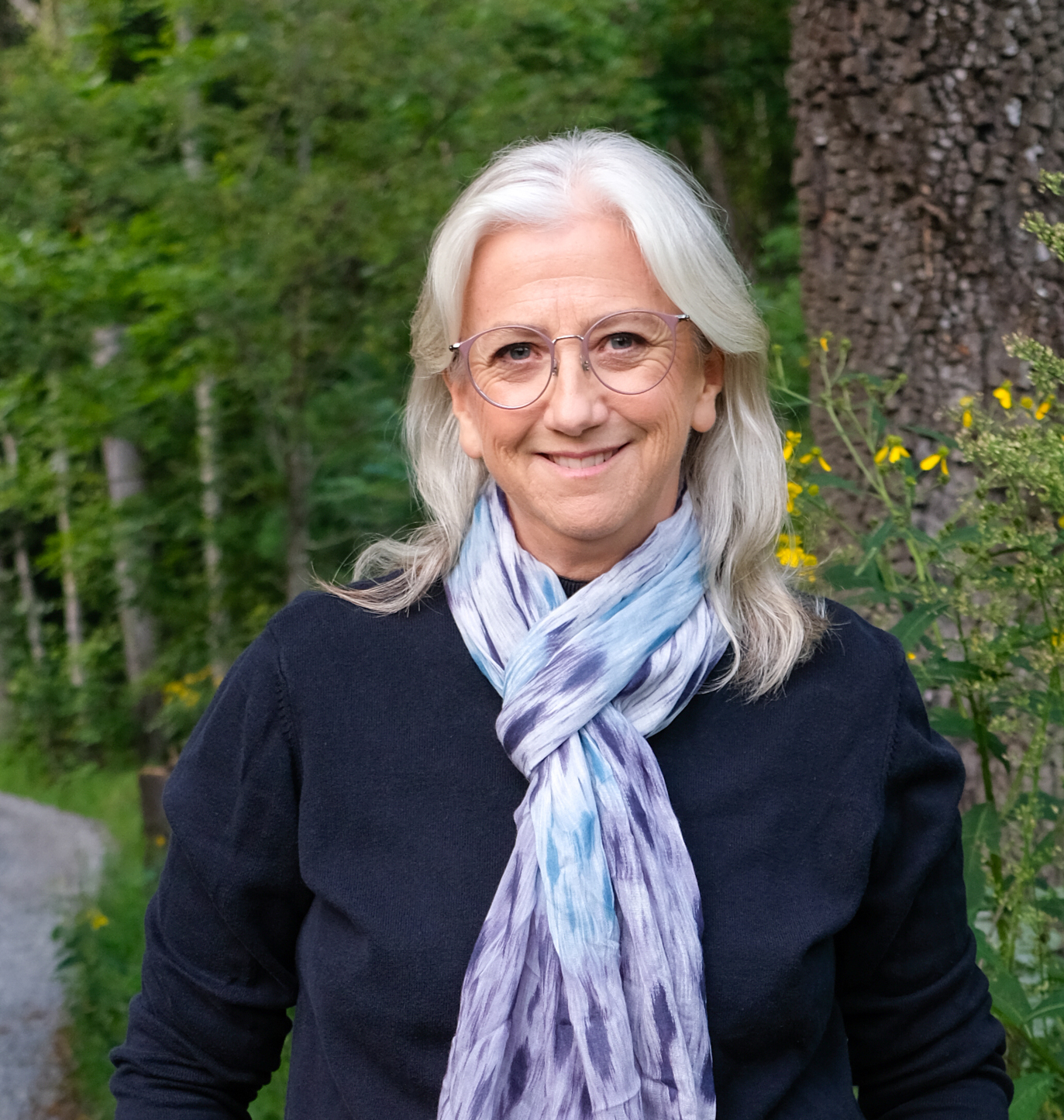
About Laura
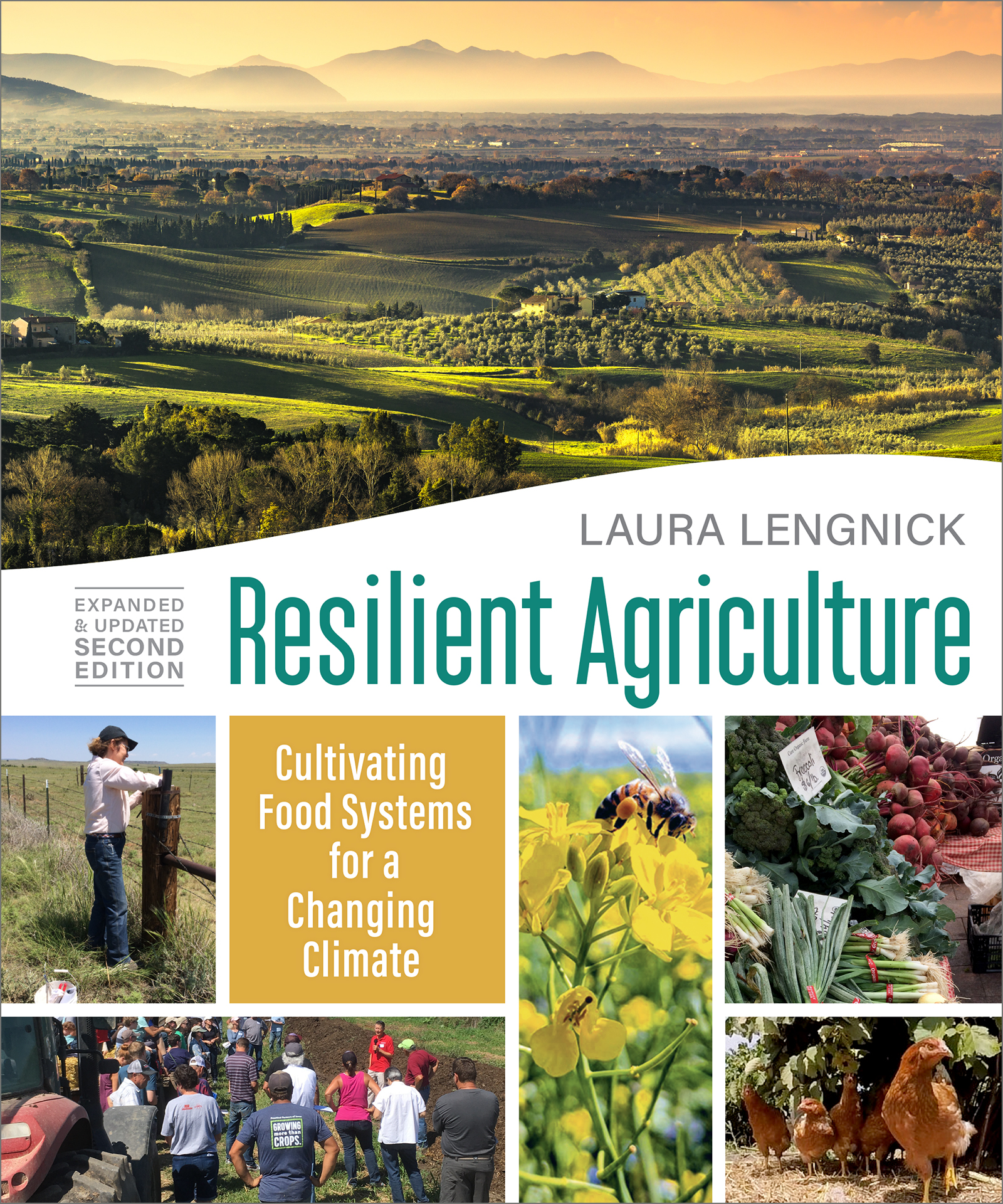
Laura Lengnick is an award-winning soil scientist with 30 years of experience working as a researcher, policymaker, educator, activist and farmer to put sustainability values into action in U.S. food and farming. Her research in soil health and sustainable farming systems was nationally recognized with a USDA Secretary’s Honor Award in 2002 and she served as a lead author of the 2013 USDA report, Climate Change and Agriculture in the United States: Effects and Adaptation. As founder and principal at Cultivating Resilience, LLC, Laura and her associates work with organizations of all kinds to integrate resilience thinking into operations and strategic planning. Since 2015, Laura has led federal, state and local climate resilience research and planning projects exploring agricultural climate solutions, conducted resilience assessments and developed carbon management plans for small- and mid-sized businesses, and designed and delivered climate risk management workshops tailored to diverse audiences throughout North America. From 2021 to 2024, Laura served as the Director of Agriculture at the Glynwood Center for Regional Food and Farming where she collaborated with leadership, staff, and community partners to integrate resilience thinking into operations and strategic planning. As a member of Glynwood’s leadership team, Laura completed an adaptive whole farm plan for Glynwood’s 70 acre farm, created a DIY regenerative climate resilience planning guide and workshop series for Hudson Valley Farmers, raised more than 4.5 million dollars to support the adoption of climate-smart conservation practices in Glynwood’s farmer networks, and maintained an active portfolio of training, speaking and consulting activities nationwide. The second edition of Laura’s award-winning book, Resilient Agriculture: Cultivating Food Systems for a Changing Climate, examines climate change, resilience and the future of food through the adaptation stories of more than 45 leading sustainable, organic, regenerative and climate-smart farmers and ranchers growing food throughout the U.S. She resides in Asheville, NC.
Our Work
Consult
We use practical resilience thinking tools to identify climate solutions that heal land, people and community.
Speak
We link concept to practice with stories tailored to people and place that inspire action for just transformation.
Write
We engage a diversity of audiences through communications designed to promote resilience thinking.
Research
We facilitate effective collaborations and bring practical experience applying social-ecological resilience theory to community-based projects.
Teach
We design and deliver interactive resilience thinking workshops tailored to the needs of diverse audiences.
Practice
We create leading-edge assessment, planning, and management tools to integrate resilience thinking into operations and strategic planning.
Get the Book →
Featured Projects
Carbon Harvest
The nation’s first community-based carbon services collective designed to engage businesses and communities to invest in agricultural climate solutions that deliver regional resilience benefits. Learn More

The Climate-Resilient Agriculture Initiative: Cultivating Climate Solutions in the Hudson Valley
A community-based listening project that explored the potential for land conservation organizations to complement agricultural conservation incentive programs to promote climate resilience and carbon neutrality on working lands. Learn More

A Climate Resilience Toolbox for Oregon Farmers and Ranchers
Engaged state conservation specialists in the design and delivery of a climate risk management and resilience training program for agricultural researchers and technical advice specialists. Learn More
New Climate Solutions Farm on Clemson’s Main Campus
Engaged faculty, staff and students in collaborative planning for a new research and teaching farm that demonstrates climate-smart, regenerative organic, and restoration agriculture production systems. Learn More
News & Notes
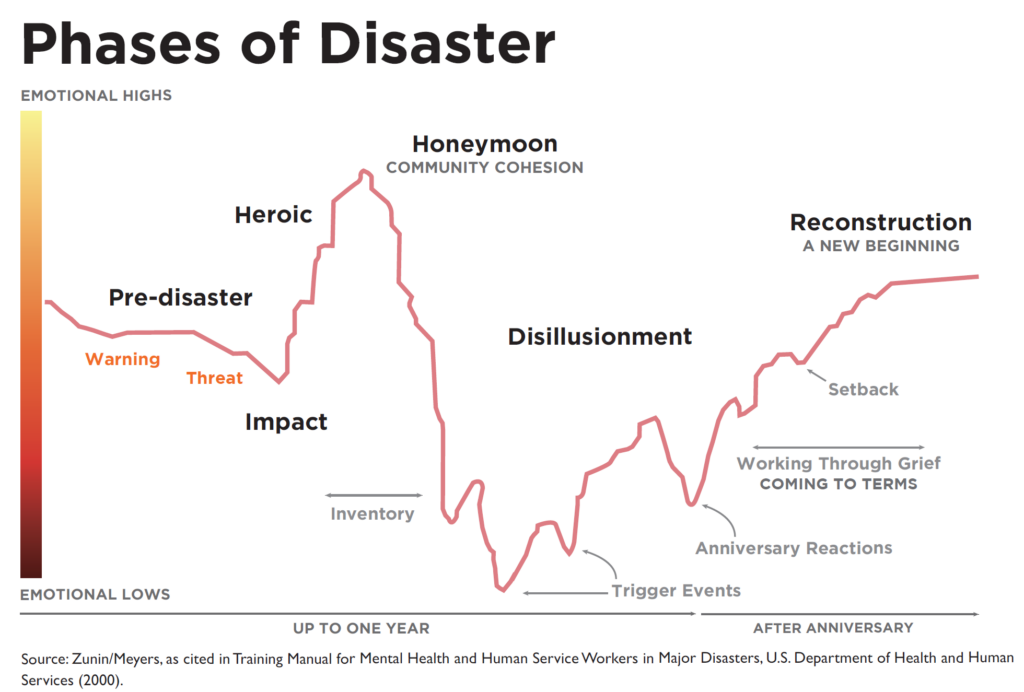
Community Response to Disaster
EcoForesters Newsletter
Laura reflects on lessons learned about emotional resilience through more than a year of Helene response and recovery work with neighbors in her Bull Creek Valley community east of Asheville, NC. Learn More
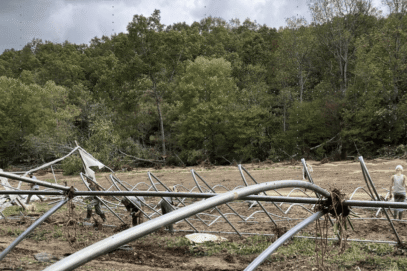
A Post-Helene Reflection on Resilient Agriculture
Practicing Gospel: Christian Talk with a Progressive Twist
Laura and David Rayburn, a Baptist pastor and theologian based in Western North Carolina, discuss how their experiences supporting Helene response and recovery efforts changed their perspective on what it takes to cultivate community resilience in this third in a series of conversations about agriculture and food system resilience. Learn MORE
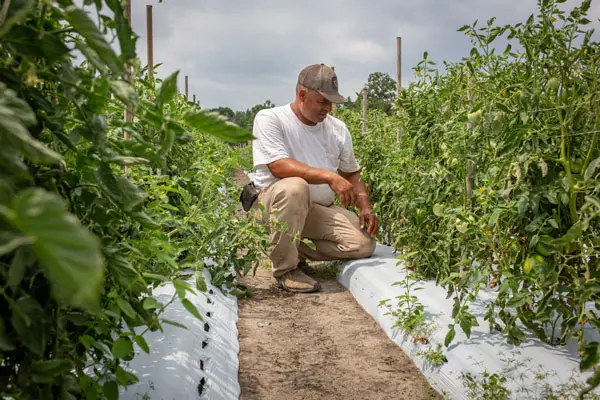
Expert Advice for Climate-Ready Agriculture
Rural Advancement Foundation International
Hope Ostane-Baucom, Communications Coordinator for RAFI’s Farmers of Color Network, speaks with Laura Lengnick about fostering on-farm climate resilience in the Southeast U.S.. Learn MORE
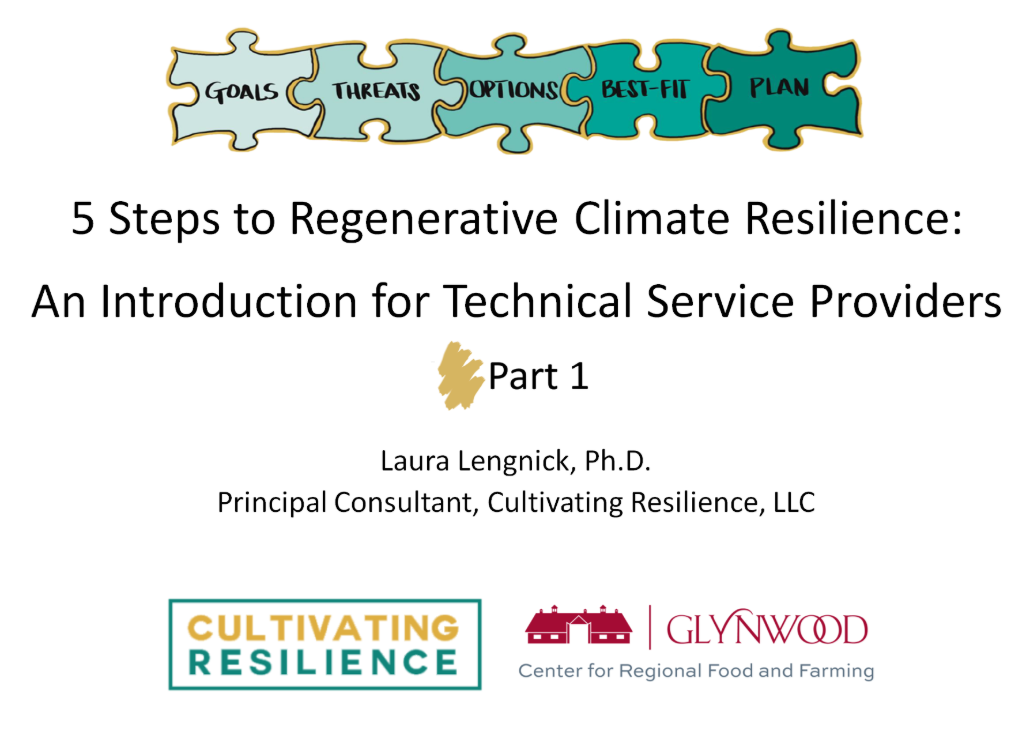
5 Steps to Regenerative Climate Resilience: An Introduction for Technical Service Providers
Cornell Climate Smart Farming
In this 2-part video series, Laura presents an overview of research-based principles and practices of agricultural adaptation to climate change and introduces a new web-based climate resilience planning resource for diversified farmers in the Hudson Valley hosted by The Glynwood Center for Regional Food and Farming. Learn More
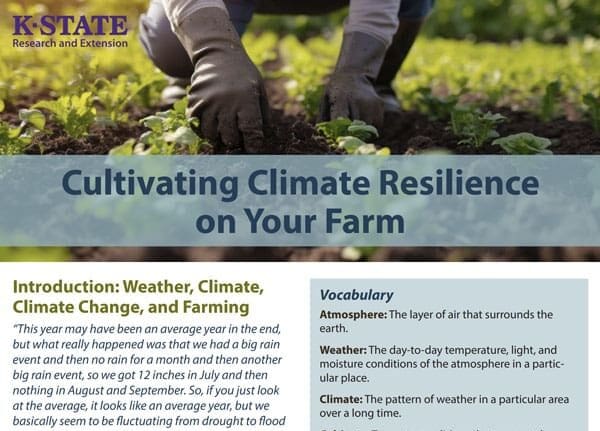
Cultivating Climate Resilience on Your Farm
Kansas State Research and Extension
In this new plain language bulletin, you can learn about climate risks to your farm, some practices that you can use to reduce those risks, and some practical steps that you can take to increase the adaptability of your land, the people who care for it, and the communities that you depend on so that your farm can thrive no matter the weather both now and into the future. Learn MORE
Road to Resilience
Land Stewardship Project Ear to the Ground Podcast
Laura Lengnick believes that if farms are to survive (and thrive) in the age of climate change, we need to remember it’s not just about soil and water — it’s also about people. Learn MORE
Climate resilience stories, straight to your inbox.
“You just don’t know what’s around the next corner, so you have to prepare for the worst. Hope for the best of course, but you know, hope is not a plan.”
Friends, Clients, & Partners