State Departments of Agriculture Call for Climate Resilience

State Departments of Agriculture Call for Climate Resilience

The National Association of State Departments of Agriculture adopted new policies on climate resilience at the group’s annual meeting in New Mexico, citing the need to safeguard the food and ag supply chain. The policy framework calls for more climate research and incentive programs that help the industry adapt to increasingly severe weather.

“We must accelerate our work on supporting environmental stewardship within the agricultural and food industry,” said Barb Glenn, the group’s CEO, in a statement.

Read more about these policy changes here!


NASDA is a nonpartisan, nonprofit association which represents the elected and appointed commissioners, secretaries, and directors of the departments of agriculture in all fifty states and four U.S. territories. NASDA grows and enhances agriculture by forging partnerships and creating consensus to achieve sound policy outcomes between state departments of agriculture, the federal government, and stakeholders.


Climate Change Denial is Expensive!

Climate Change Denial is Expensive!

Climate Change Denial is a VERY expensive policy position.  No matter how the we play it, we are going to have to invest dollars.  We can invest in transforming our use of energy or we can invest cleaning up the mess caused by our pollution of the atmosphere.  One choice puts us on the path to a resilient future, the other puts us a path down into ever greater chaos. Which do you choose? 

The Agriculture Department rolled out more than $3 billion in aid for farmers affected by wildfires, hurricanes, flooding and other natural disasters since 2018.

“Climate Change” by Faith Jin

“Farmers are eligible for up to $500,000 apiece for the hurricanes, wildfires, floods, and other disasters they faced in 2018 and this year, including Hurricane Dorian last weekend, said the USDA on Monday, with $3 billion in aid available. As it did in July for Trump tariff payments, the USDA set the maximum disaster payment at double the Congressional limit for farm subsidies.

The Trump administration is showering the Farm Belt with cash this year, creating some uneasiness within the sector about a potential backlash. The USDA estimated last month that direct federal payments would total $19.5 billion this year, the highest amount since 2005. The figure did not include the new disaster program nor a $3.63 billion tranche of trade-war payments possible in November. The first tranche of Trump payments, of up to $7.25 billion, is being paid now.

Enrollment for disaster payments will begin on Wednesday. Agriculture Secretary Sonny Perdue said the assistance “will ease some of the financial strain” caused by extreme weather. Farmers suffering damage from Hurricane Dorian are eligible for aid, said the USDA.” 

Read the rest of the article here


Farmers Don’t Need to Read the Science: They are Living It

Farmers Don’t Need to Read the Science: They are Living It

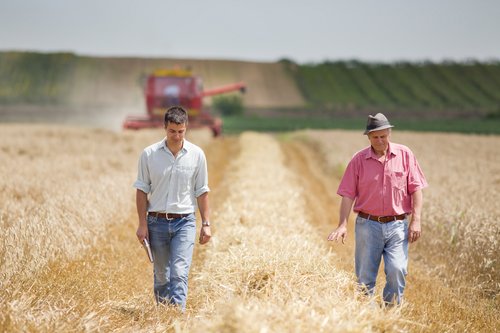
“FIREBAUGH, Calif. — Many farmers probably haven’t read the new report from the United Nations warning of threats to the global food supply from climate change and land misuse. But we don’t need to read the science — we’re living it.

Here in the San Joaquin Valley, one of the world’s most productive agricultural regions, there’s not much debate anymore that the climate is changing. The drought of recent years made it hard to ignore; we had limited surface water for irrigation, and the groundwater was so depleted that land sank right under our feet.

Temperatures in nearby Fresno rose to 100 degrees or above on 15 days last month, which was the hottest month worldwide on record, following the hottest June ever. (The previous July, temperatures reached at least 100 degrees on 26 consecutive days, surpassing the record of 22 days in 2005.) The heat is hard to ignore when you and your crew are trying to fix a broken tractor or harvest tomatoes under a blazing sun. As the world heats up, so do our soils, making it harder to get thirsty plants the water they need.

The valley’s characteristic winter tule fog is also disappearing, and winters are getting warmer. Yields of many stone fruits and nuts that feed the country are declining because the trees require cool winters and those fogs trap cool air in the valley. Warm winters also threaten the Sierra Nevada snowpack, which provides 30 percent of California’s water. We had a good wet winter this year, but a few years ago the snowpack was at its lowest level in 500 years. We also worry that last year’s record California wildfires, which blanketed the valley with smoke for weeks, might become the new normal. I don’t get sick much, but that summer I had a hard time breathing because of the congestion in my lungs.”

Read the rest of the article here!

Working Lands Offer Climate Solutions, No Matter Location

Working Lands Offer Climate Solutions, No Matter Location

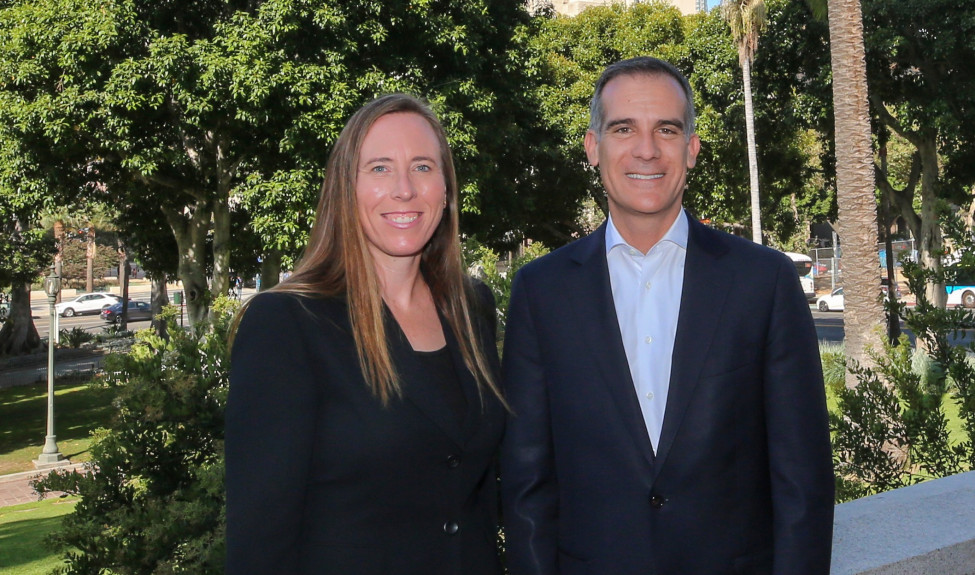
“LOS ANGELES — Mayor Eric Garcetti announced Thursday the appointment of Los Angeles’ first forest officer, a position that will oversee urban forests in an effort to plant 90,000 trees by 2021.

“Every tree we plant can help stem the tide of the climate crisis, and when we expand our urban forest, we can sow the seeds of a healthier, more sustainable future for communities across our city,” Garcetti said.

The mayor appointed Rachel Malarich, a certified arborist, to the post.

According to the mayor’s office, Malarich has spent more than 12 years working to increase tree canopy in urban areas throughout Southern California, devising strategic management plans to expand urban forests and promoting community engagement.”

Read the rest of the article here!

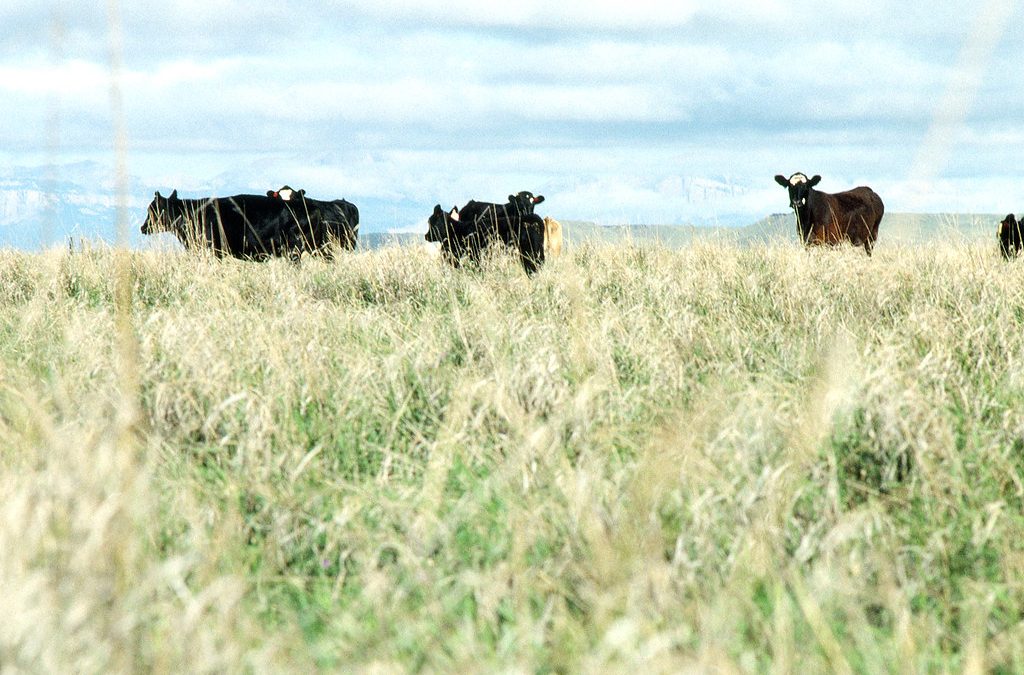
Pasture-Raised Beef is a Climate Change Solution

Pasture-Raised Beef is a Climate Change Solution

“Will Harris is many things to many people. To chefs and foodies, he is a legendary farmer producing some of the world’s best pasture-raised meats infused with the terroir of South Georgia. To athletes, body-hackers, and health-conscious consumers, he is the owner of White Oak Pastures, which ships humanely-raised, non-GMO, grassfed proteins to their doorsteps. To the communities surrounding Bluffton, Georgia, he is one of the last good ole’ boys and the largest private employer in the county. To his colleagues in agriculture, he’s a renegade and an inspiration. But Will Harris’ legacy might turn out to be something else entirely. He may be remembered as the cattleman who figured out how to enlist cows in future generations’ struggle to reverse climate change.

Industrial-Sized Cow Farts

Almost everyone these days has been educated that carbon emissions from industrialized beef production are a startlingly large contributor to man-made climate change. The Food and Agriculture Organization of the United Nations (FAO) estimates that livestock is already responsible for at least 14.5% of greenhouse gases being released worldwide.[1] FAO also estimates that global beef consumption will exponentially grow until it reaches 105 million metric tons before 2050.[2] Statistics on how bad beef consumption is for the environment are so ubiquitous that it is almost unthinkable for many climate scientists to advocate for anything but a vegetarian diet. Luckily for meat-eaters, scientists at Quantis, one of the world’s most respected environmental research and design firms, were not convinced that was the full story.”

Read the rest of the article here!

Spring is Just Around the Corner!

Spring is Just Around the Corner!

Looking forward to a busy spring schedule sharing the good news about the climate change solutions in resilient agriculture and food systems! Over the next few months, I’ll be working in North Carolina, Missouri, New York, Illinois, Michigan, Oregon, and Wisconsin with farmers and ranchers, agricultural educators, researchers and extension agents, students studying sustainable agriculture and food systems, ecological landscapers, sustainable wine producers, and climate change adaptation professionals.  If I’ll be in your neck of the woods, please stop by a say hi!