
Climate Change, Resilience and the Future of Food

Climate Change, Resilience and the Future of Food

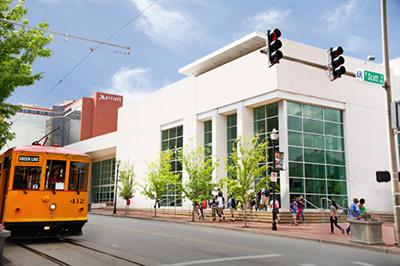
Headed to Little Rock at the end of this week to keynote the Southern SAWG​ annual conference! It is great that SSAWG decided on the theme “Agricultural Resilience in a Changing Climate” because it is past time for us to come together as a community to figure out what we already know and what we still need to learn about how sustainable agriculture practices can reduce climate risk and capture new opportunities associated with climate change.  

I will explore the rapidly evolving landscape of agricultural climate solutions in my keynote and lead a workshop on cultivating climate resilience on your farm or ranch. Looking forward to reconnecting with old friends and meeting new ones in Little Rock – hope to see you there!

Learn more and register for the conference here. 
Southern SAWG focuses attention on issues and differing perspectives around food production, marketing, and distribution, and brings sustainable solutions to farmers, families and communities in the southern U.S.  SSAWG functions as a regional entity, working with and through hundreds of associated organizations across 13 southern states.
Ohio Ecological Food and Farming Association Keynotes to Explore Barriers and Opportunities for Transforming the Food System

Ohio Ecological Food and Farming Association Keynotes to Explore Barriers and Opportunities for Transforming the Food System

I’m heading to Dayton, Ohio in February to share keynote responsibilities with Eric Holt-Giménez, long time executive director of Food First – an organization that has challenged my thinking and inspired some of my best work over the years – at the Ohio Ecological Food and Farm Association‘s annual conference.

Eric and I will explore the barriers and opportunities for transforming the food system to restore the damage done by global industrialism and produce well-being for all people and the planet. This transformation is already on the ground and growing throughout the U.S. and beyond, thanks to sustainable farmers (and those that support them) who have been busy over the last 40 years innovating our resilient food future. 

My thanks to Public News Service​ for this shout out about my work and my keynote at the Ohio Ecological Food and Farm Association​ Annual Conference next month! 

Eric Holt-Giménez is an agroecologist, political economist, activist, and author. From 2006-2019, he was the Executive Director of Food First, where he worked to end the injustices that cause hunger, build a global movement for food sovereignty, and advance agroecology and sustainable food systems.

Find out more about the conference here!

The Ohio Ecological Food and Farm Association (OEFFA) cultivates a future in which sustainable and organic farmers thrive, local food nourishes our communities, and agricultural practices protect and enhance our environment.


Cultivating Resilience Heads to Virginia, Arkansas and Ohio

Cultivating Resilience Heads to Virginia, Arkansas and Ohio

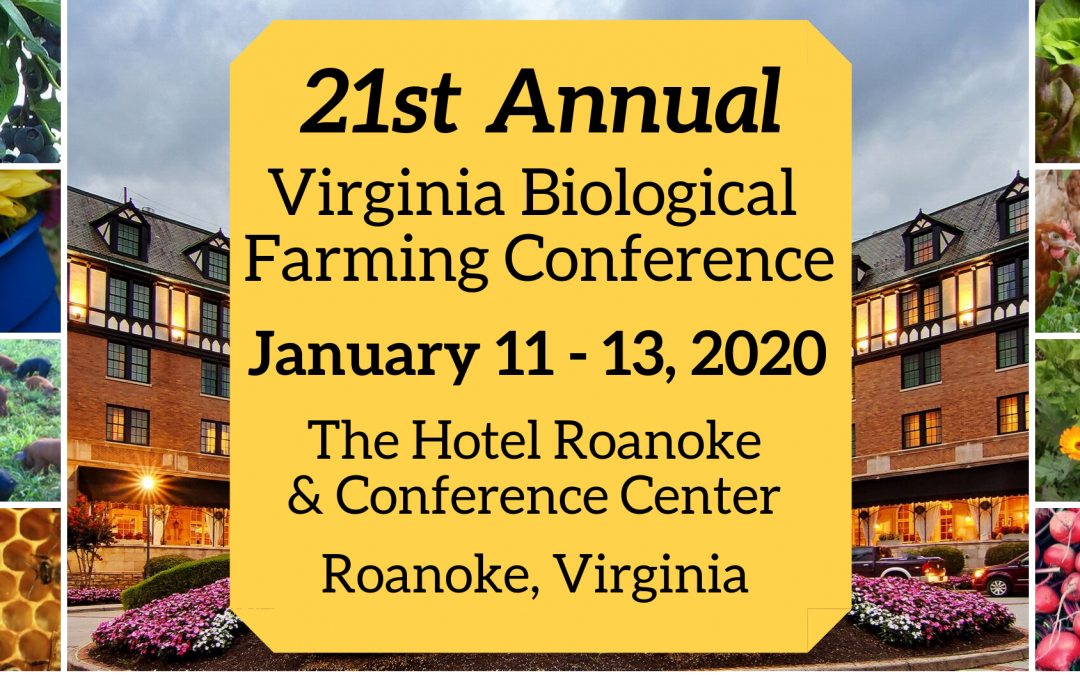
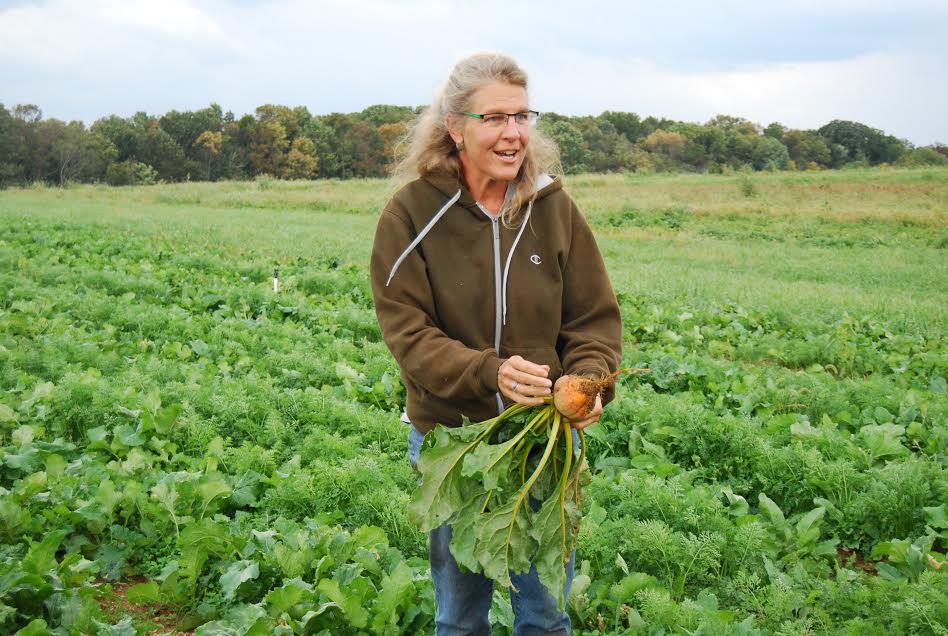
As my winter quiet comes to a close, I am looking forward to several gatherings of “susties” over the next two months. First up: I head to Roanoke VA this weekend to share keynote responsibilities with my good buddy (and long time shero!) vegetable farmer, author and teacher Ellen Polishuk at the Virginia Association for Biological Farming annual conference.

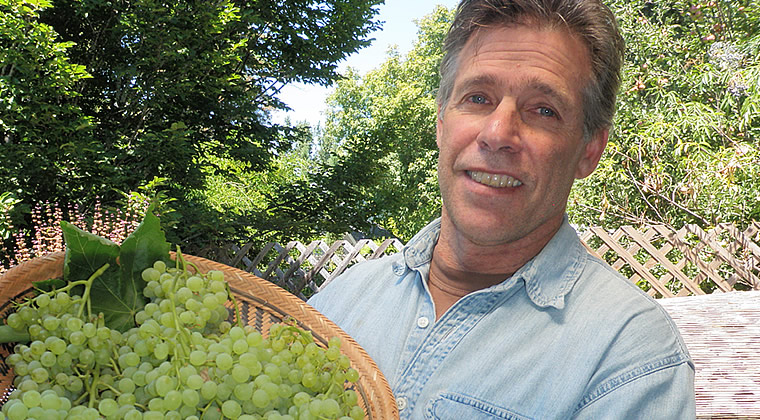
Ellen (pictured above) is a farm consultant, writer and workshop leader. She takes her 35 years of biological vegetable farming experience to help growers around the country. Ellen is the co-author of Start Your Farm, and writes the farmer to farmer profile column for Growing For Market magazine.

I’ll be speaking about climate change, resilience and the future of food and teaching a workshop on tools for the climate-savy farmer’s climate resilience toolbox. I’m also scheduled for fireside chats (love this!) on Sunday and Monday.

Speaking at the VABF conference is really special for me – I got started on this fascinating journey in sustainable agriculture doing my master’s research way back in the early 1980’s on an organic grain farm in the Northern Neck near Fredericksburg. Looking forward to reconnecting with old friends and meeting new ones this weekend. Hope to see you there!

Learn more about the conference and how to register here

VABF encompasses a community of farmers, gardeners, homesteaders, students, teachers, researchers, and general supporters of local and sustainable food systems! Find out more about VABF memberships.

Agricultural Climate Solutions Meeting in Maryland

Agricultural Climate Solutions Meeting in Maryland

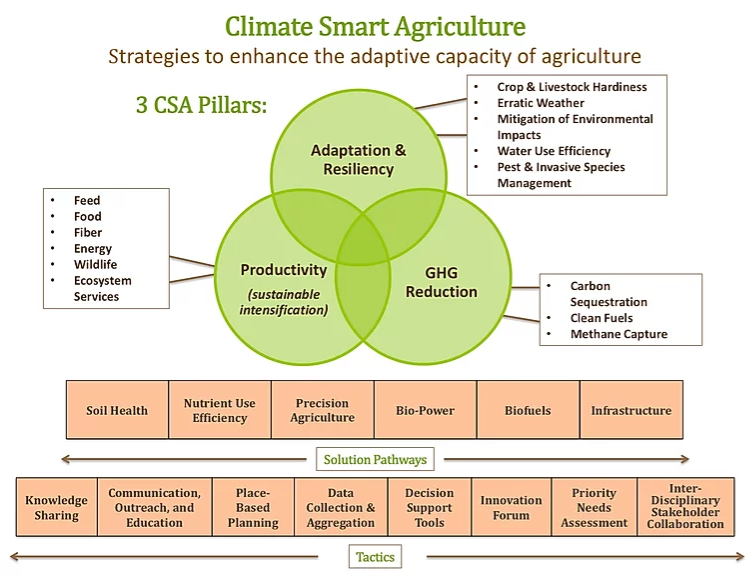
Great to see the North American Climate Smart Agriculture Alliance in the news!  NACSAA is a North American farmer-led organization focused on promoting climate solutions in agriculture through the principles of sustainable intensification, mitigation and resilience.  I’ve worked with the NACSAA governing board over the last four years to integrate resilience thinking into their policy and programs.

Check out the article here!

“It’s Not the Cow, It’s the How”: Will Harris Featured on the BBC

“It’s Not the Cow, It’s the How”: Will Harris Featured on the BBC

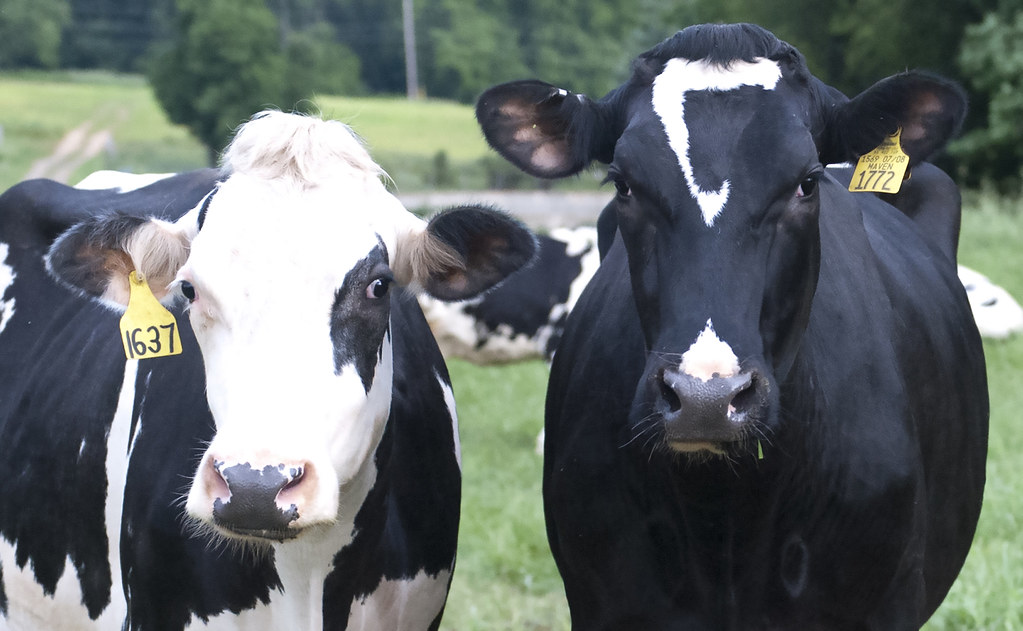
Resilient Agriculture farmer Will Harris speaks to the BBC about a different model of livestock production – one that puts us on the path to a resilient food future.  Thank you, Will!

From “It’s Not the Cow, It’s the How” :

Gases which help to heat the atmosphere and contribute to climate change are a by-product of the cattle industry.

They include direct emissions of methane, a potent greenhouse gas, from cows, and carbon dioxide and nitrous oxide from the likes of packaging, transportation and fertilisers.

But one farmer in the US state of Georgia believes a different way of farming means his cows can be part of the solution. Will Harris says “it’s not the cow, it’s the how”.

Yes Magazine Features Resilient Agriculture Farmers Ron and Maria Rosmann

Yes Magazine Features Resilient Agriculture Farmers Ron and Maria Rosmann

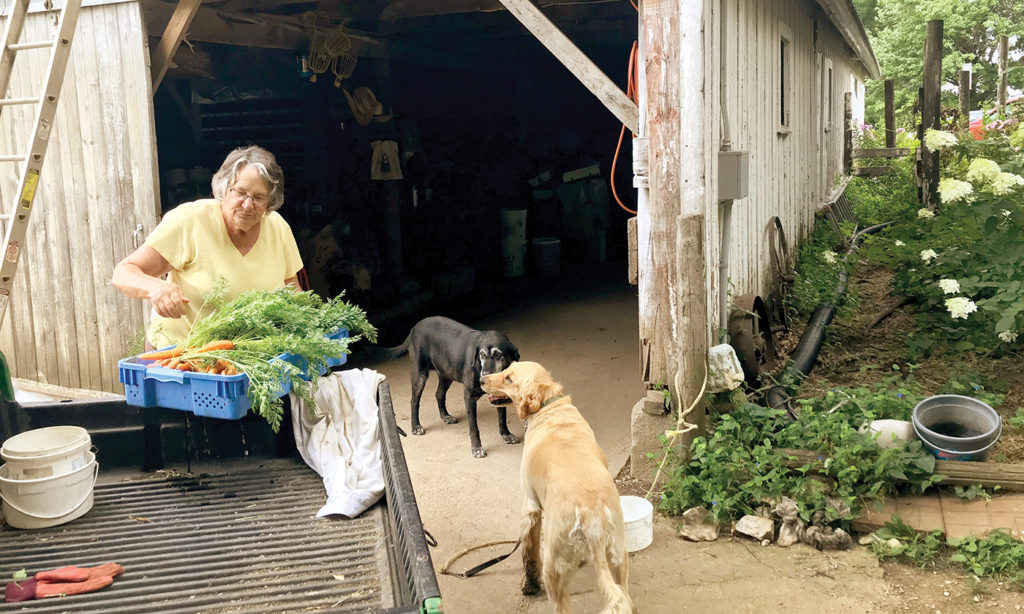
“Welcoming everybody to his farm on a searing August afternoon, Ron Rosmann lets the pleasantries go for 12 minutes before getting to the heart of things. Around him, about 70 growers sit like school kids on bales of hay, braced to hear him.

Rosmann has been farming organically for 36 years on western Iowa’s fertile hills, and his voice is as gravelly as the road that runs alongside his land. You might think farming without pesticides would get easier over time, but you’d be wrong. An impossibly rainy planting season and runaway giant ragweed have made this year his toughest yet.

“What are we experiencing?” he asks the group. “Warmer temperatures, more rainfall, warmer nights, 10 years in a row of cold, wet springs. I’m getting more and more nervous.”

The growers, all members of Practical Farmers of Iowa, or PFI, are here to learn how Rosmann copes. A rare alliance of organic and conventional farmers, their views on climate change run the gamut of opinion. They meet on different farms around the state to share practices and today have come out for a “field day” to observe how Rosmann and his family produce beef, pork, chickens, eggs, popcorn, and grains on 700 acres—without chemicals.


While long-term climate change is prompting growing activism, farmers like these often register its near-term effects first. It contributes to soil erosion and severe weather events. It has increased annual precipitation in Iowa at least 8% over the past century, according to the state Department of Natural Resources. And the effects keep multiplying.

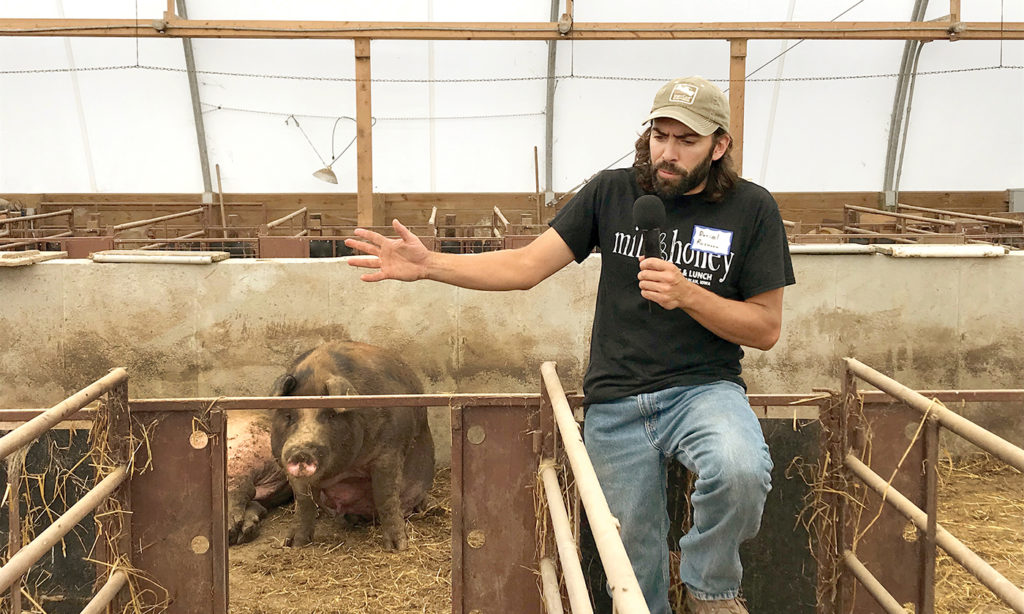
The field day includes a hayrack tour of the Rosmanns’ pesticide-free fields. On one section, turnips are planted as a cover crop, and volunteer oats and barley also pop up. Down the road, the group visits naturally ventilated “hoop house” pig shelters: metal arcs covered with greenhouse plastic, in which deep cornstalk bedding decreases manure runoff risk. They stand in front of long compost mounds, where butterflies land as Rosmann describes how to balance straw and manure. The farmers end their tour back in the barn, dining on the Rosmanns’ organic coleslaw and pulled-pork sandwiches.”

Read more about Ron and Maria Rossman’s story here!