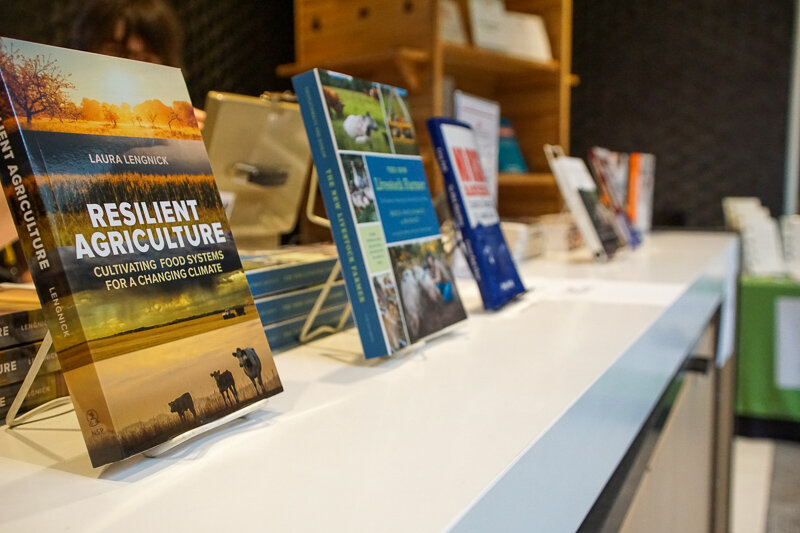
Climate Risk Management Workshops in October

Climate Risk Management Workshops in October

I’m looking forward to working close to home next month with farmers, technical advisors, researchers and eaters of all kinds at three events based in the Carolinas.  First up is the Carolina Meat Conference in Charlotte next week. Near the end of the month, I’ll teach at the Sustainable Agriculture Conference in Durham.
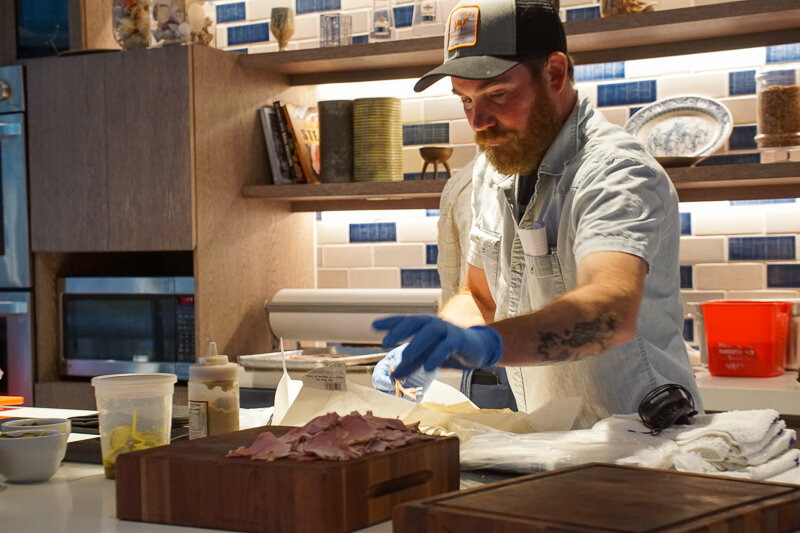
Butchering Demonstration from the 2019 Carolina Meat Conference
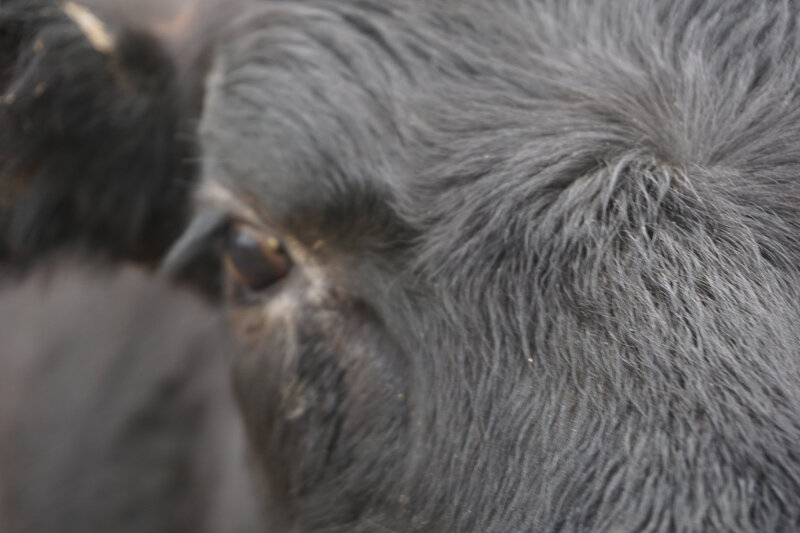
Close up of a Steer at the 2019 Carolina Meat Conference

The Carolina Meat Conference is a nationally recognized event, specifically focused on bringing together every part of the meat supply chain. Farmers, chefs, butchers, and industry leaders convene for two-days of unparalleled networking, hands-on training, and technical and business assistance.

The Carolina Farm Stewardship Association (CFSA) is a farmer-driven, membership-based 501(c)(3) non-profit organization that helps people in the Carolinas grow and eat local, organic food by advocating for fair farm and food policies, building systems that family farms need to thrive, and educating communities about local, organic agriculture.  
Climate-Resilient Agriculture Initiative Featured at the Glynwood Climate Convening

Climate-Resilient Agriculture Initiative Featured at the Glynwood Climate Convening

Headed to the Hudson Valley later this week to release the results of a year-long project led by Cultivating Resilience, LLC and funded by Scenic Hudson that explored the potential for land conservation organizations to promote climate resilience through voluntary conservation incentives:  The Climate-Resilient Agriculture Initiative.

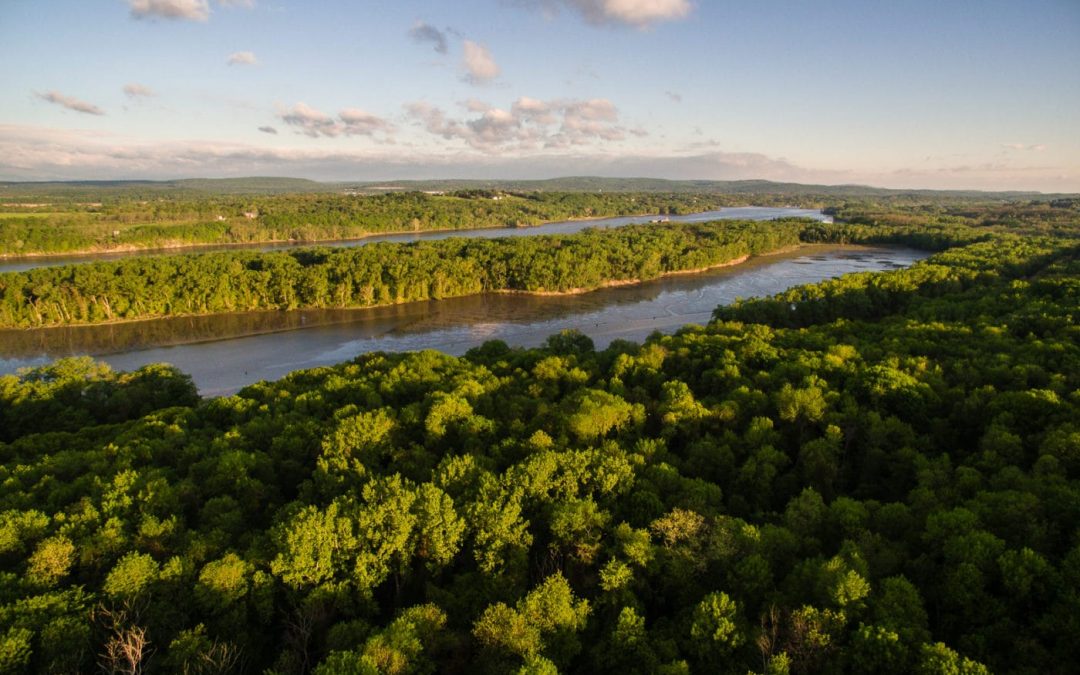
From Scenic Hudson, photo credit: Robert Rodriguez, Jr. 

I’ll open the day-long workshop by sharing results from the Initiative, and will help facilitate a discussion about practical pathways to a climate-resilient Hudson Valley agriculture.  Check out more about the workshop here

Scenic Hudson has long been considered a leader in safeguarding the Hudson Valley’s irreplaceable landscapes — including the region’s productive family farms — while advancing balanced and sustainable development, and protecting our land, air and water from pollution and other threats.

Cultivating Climate Resilience on Farms and Ranches: A Review

Cultivating Climate Resilience on Farms and Ranches: A Review

Thanks to Gabrielle Roesch-McNally, USDA Pacific Northwest Climate Hub Fellow, for this review of my SARE bulletin. 

USDA SARE (Sustainable Agriculture Research & Education) recently published a new resource for land managers and those who advise them titled, “Cultivating Climate Resilience on Farms and Ranches.” This resource outlines some of the challenges that farmers and ranchers will face as climate change leads to more extreme and variable weather. While the resource is national in scope, there is a great table that briefly explores the observed and expected changes in weather across seven U.S. regions, including the Northwest.” 

Check out the rest of the review here

Keynote at MOA Conference: Why Think Resilience?

Keynote at MOA Conference: Why Think Resilience?

Headed to Independence, Missouri this Wednesday for the 2019 Mid-America Organic Association​ Conference.  The theme of this year’s conference is “Cultivating Resilience.” I’ll open the conference with a keynote on Thursday morning, teach three workshops on Thursday, Friday and Saturday, and host a climate listening session on Saturday.  Looking forward to learning a lot and being inspired by all the great workshops, meeting some new friends, and catching up with old friends like Resilient Agriculture farmers Ron Rosmann of Farm Sweet Farm LLC​ and Gail Fuller of Fuller Farms and G & L Whole Food​ –  both are scheduled to teach at the conference.

Check out more about the workshop here

Climate Learning Network Webinar

Climate Learning Network Webinar

I had the pleasure of giving a webinar on Oct 15, Stories from the Field, for the Climate Learning Network, a new educational project supported by the Northeast and Southeast USDA Climate Hubs and being managed by the cooperative extension service.  The Climate Learning Network is designed to educate technical advisers working with farmers and forest owners about climate change science, climate vulnerability and risk, and effective mitigation and adaptation options for U.S. farms and forests.  Stories from the Field introduced the concept of climate risk and shared some of the successful adaptation stories of the farmers featured in Resilient Agriculture.